Indonesia
Read about how students explored Bali’s culture, community and environmental sustainability through school exchange, coastal conservation and immersive learning experiences in Amed and Kuta, while developing global competencies and cross-cultural understanding.
Bali, Indonesia (25–28 May 2026)
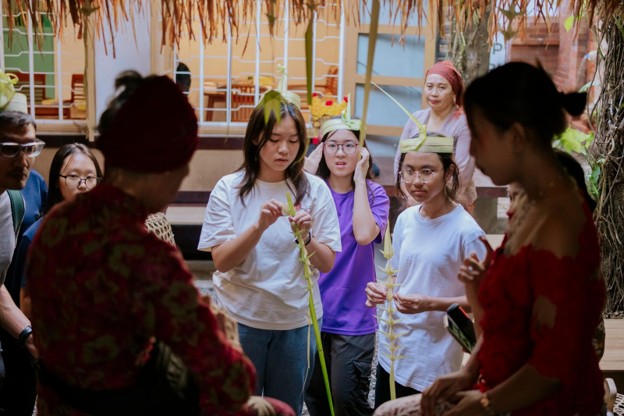
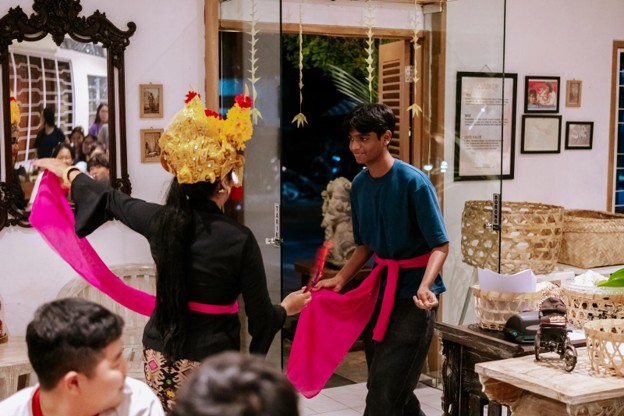
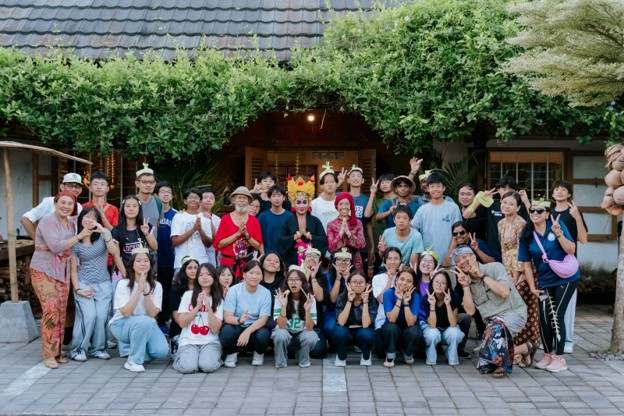
From 25 to 28 May 2026, 31 students and five teachers from Kent Ridge Secondary School embarked on a meaningful 4D3N cultural immersion trip to Bali, Indonesia. Across Amed and Kuta, students experienced sustainability through the people they met, the environments they explored and the actions they took.
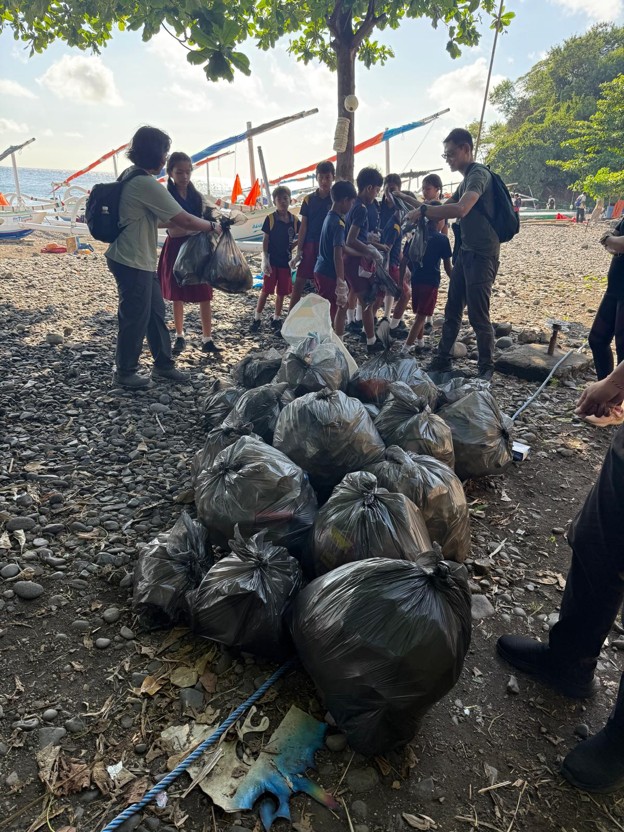
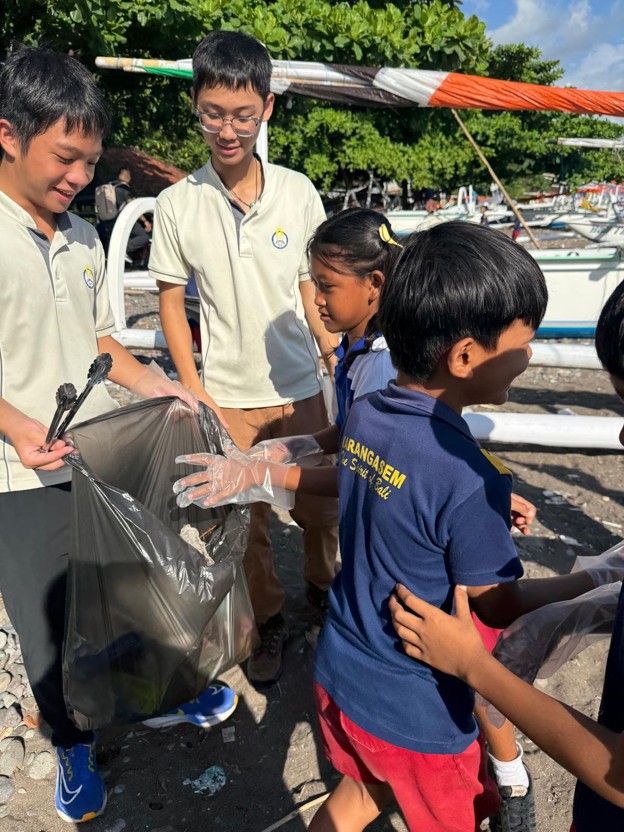
A key highlight was the school immersion programme at SDN 4 Bunutan in Amed. Our students gained first-hand insights into school and community life as they interacted with their Balinese peers. Together, they took part in a coastal clean-up and saw how litter can harm marine environments, affect coastal communities and travel far beyond the place where it was discarded.
The experience also prompted students to reflect on their responsibilities as visitors. They learnt that respecting another country means not only appreciating its culture, but also caring for its environment and contributing positively to the community. Although many of the Balinese students spoke little English, both groups found ways to communicate and worked closely together during the clean-up.
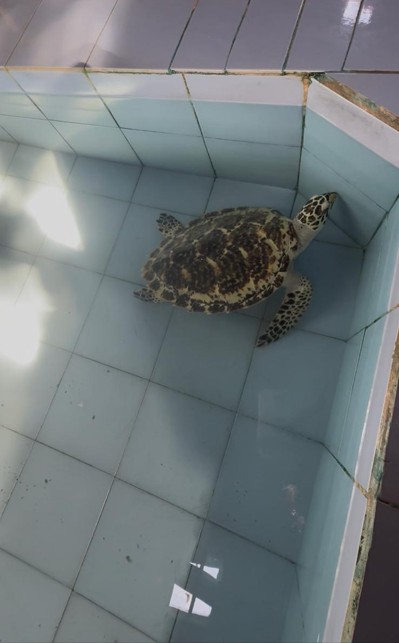
At the Education and Conservation Centre, students saw the negative impacts of human activity and climate change on turtles. Learning about injured turtles and the threats to their habitats stirred a genuine sense of concern and strengthened their desire to protect marine life. They also learnt about the place of turtles in Balinese traditions, helping them understand why conservation matters both environmentally and culturally.
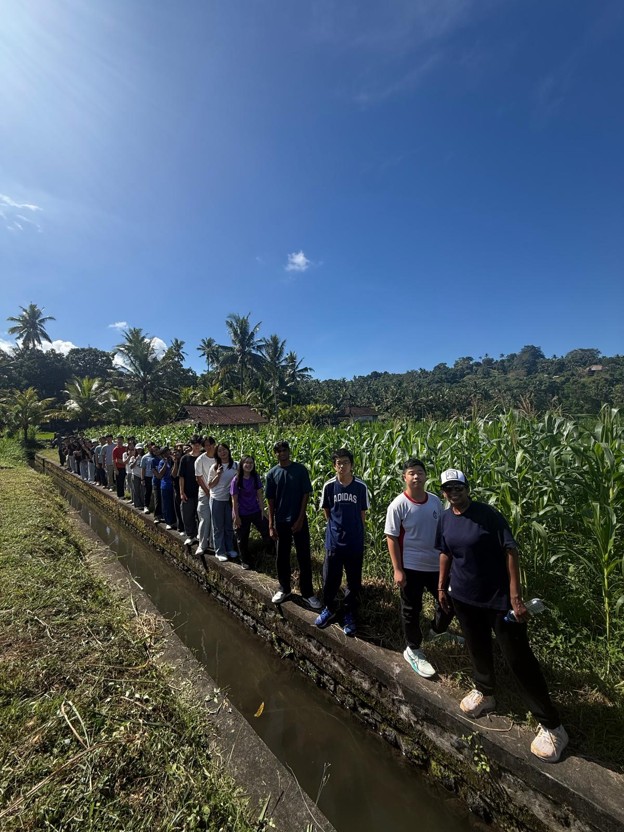
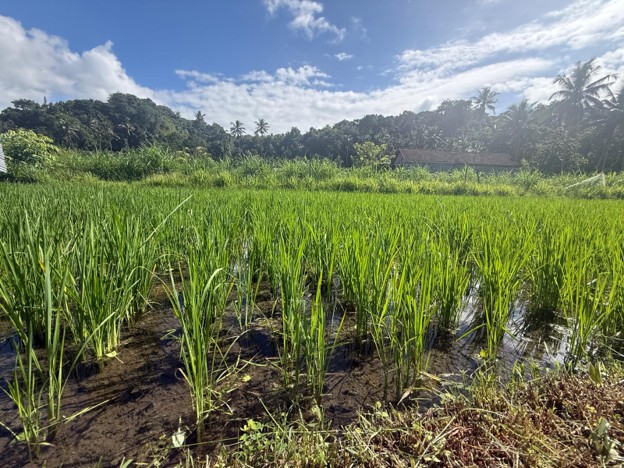
The sustainability journey continued at Bukit Cinta Pangi, where students observed how Balinese communities work closely with the land through rice cultivation. They gained a deeper appreciation of where food comes from, the effort involved in producing it and the importance of using natural resources responsibly.
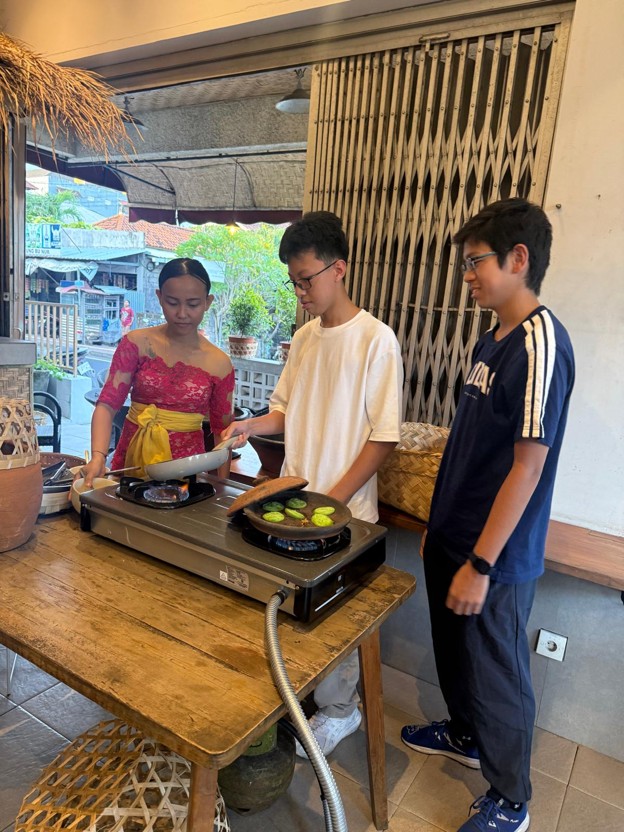
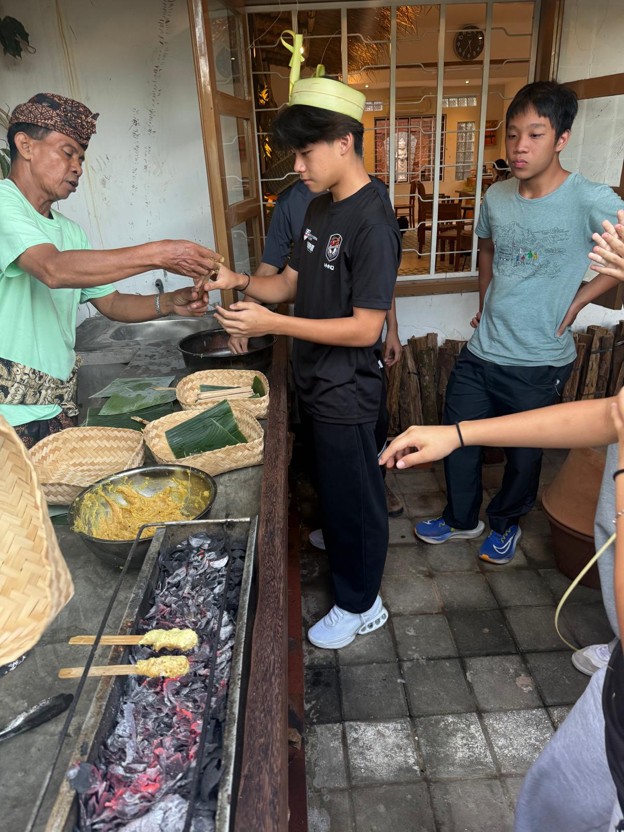
In Kuta, these ideas were extended through a sharing session on plastic waste management at Warung Nasi Tekor. The restaurant’s use of banana leaves, natural cutlery and largely compostable materials showed how sustainable choices can be built into everyday practices. Together, the rice paddy and restaurant experiences helped students understand the links between food production, consumption and waste management.
Throughout the journey, students showed adaptability, responsibility and care for one another. The Bali Cultural Immersion Trip 2026 deepened their understanding of culture, community and environmental sustainability, while encouraging them to think more carefully about the impact of their choices at home and abroad.